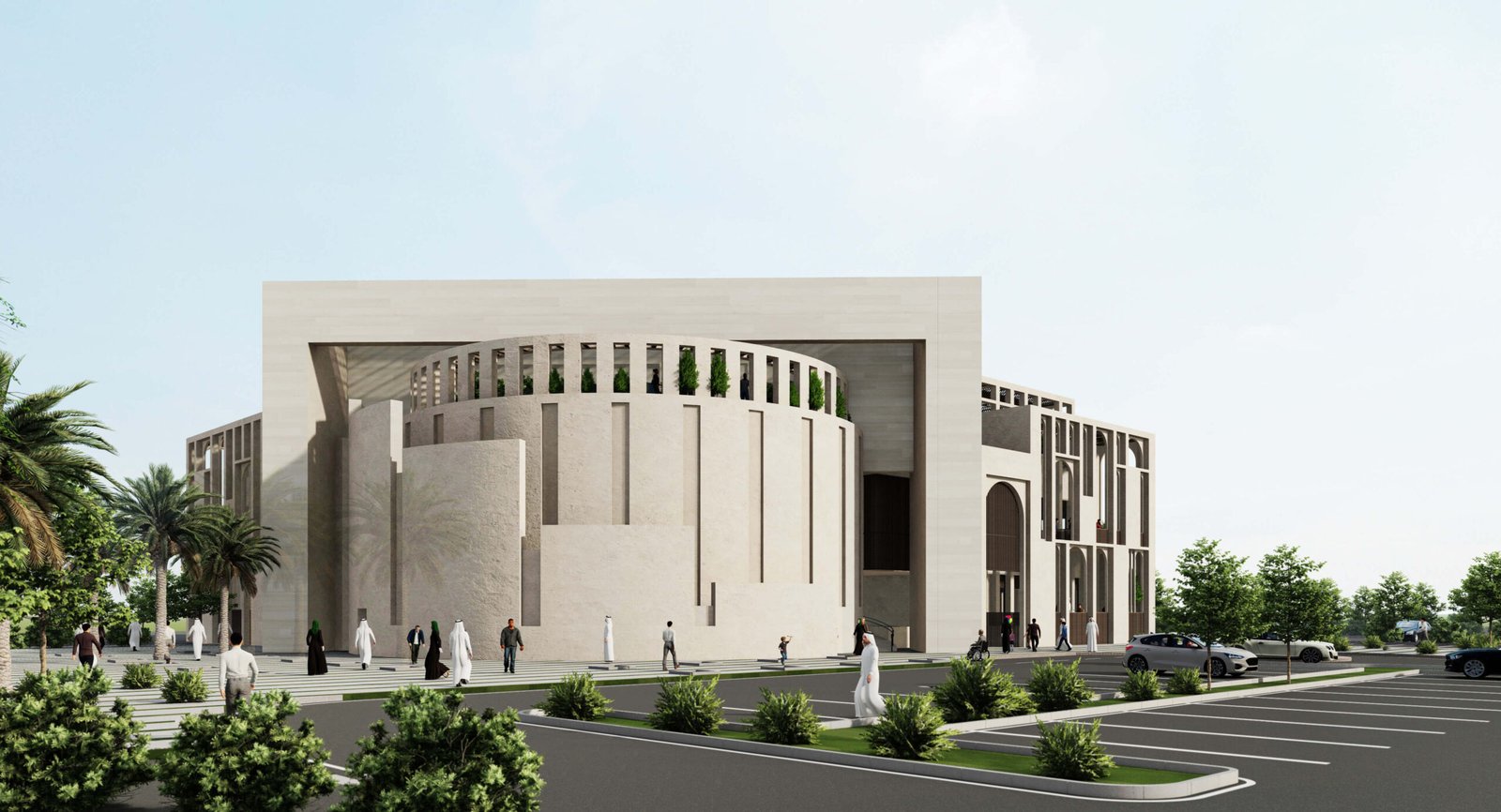
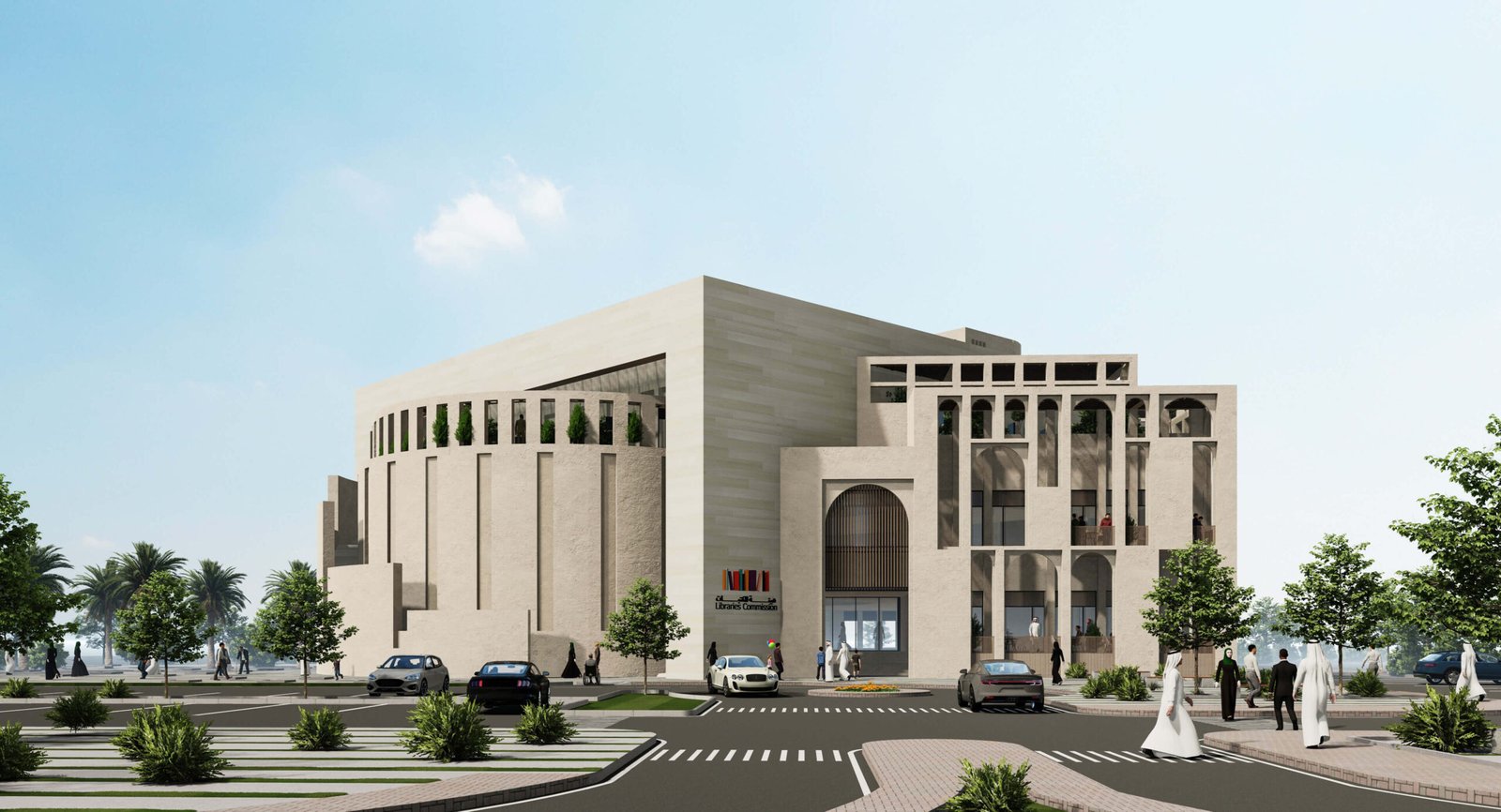
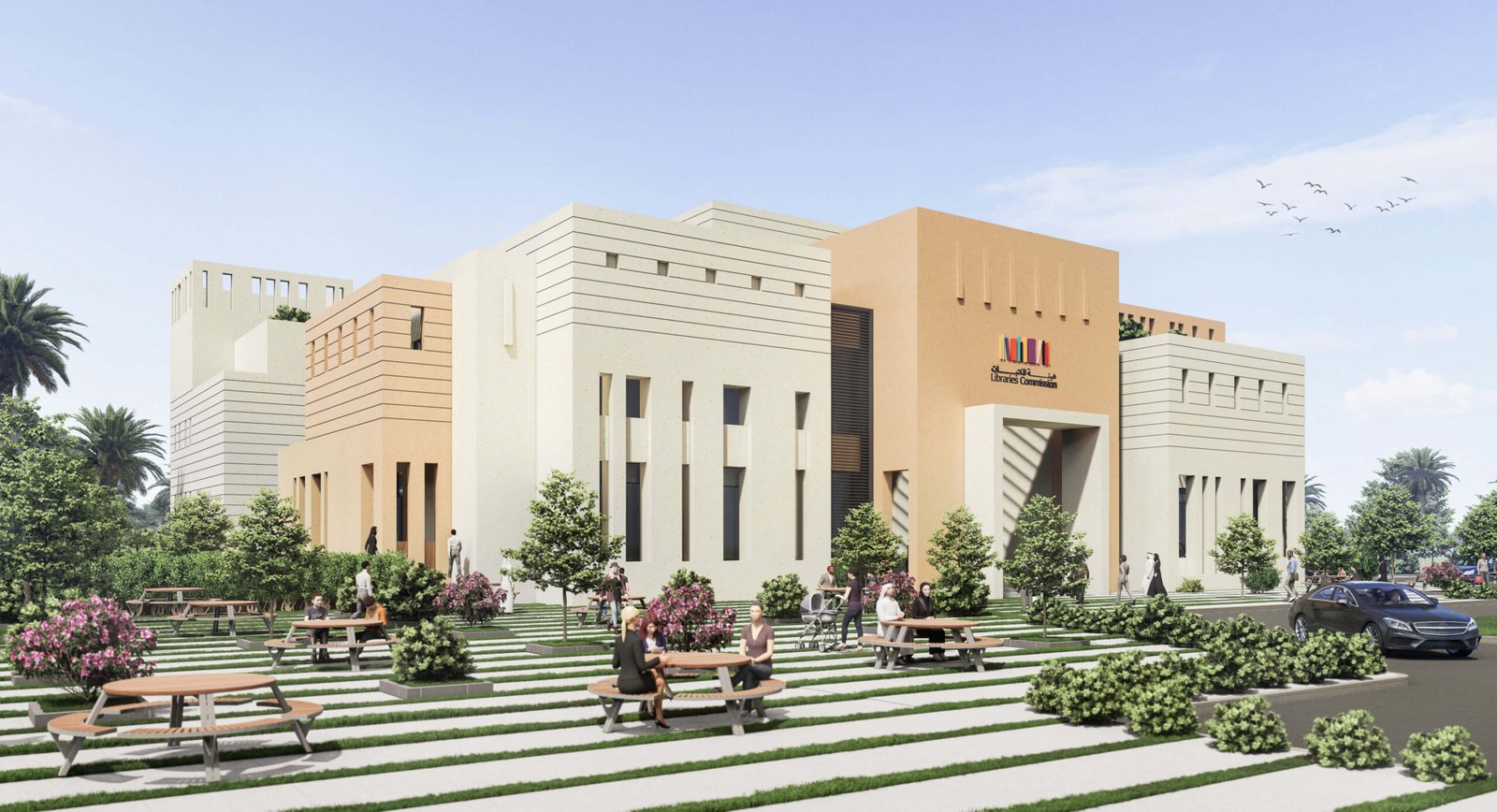
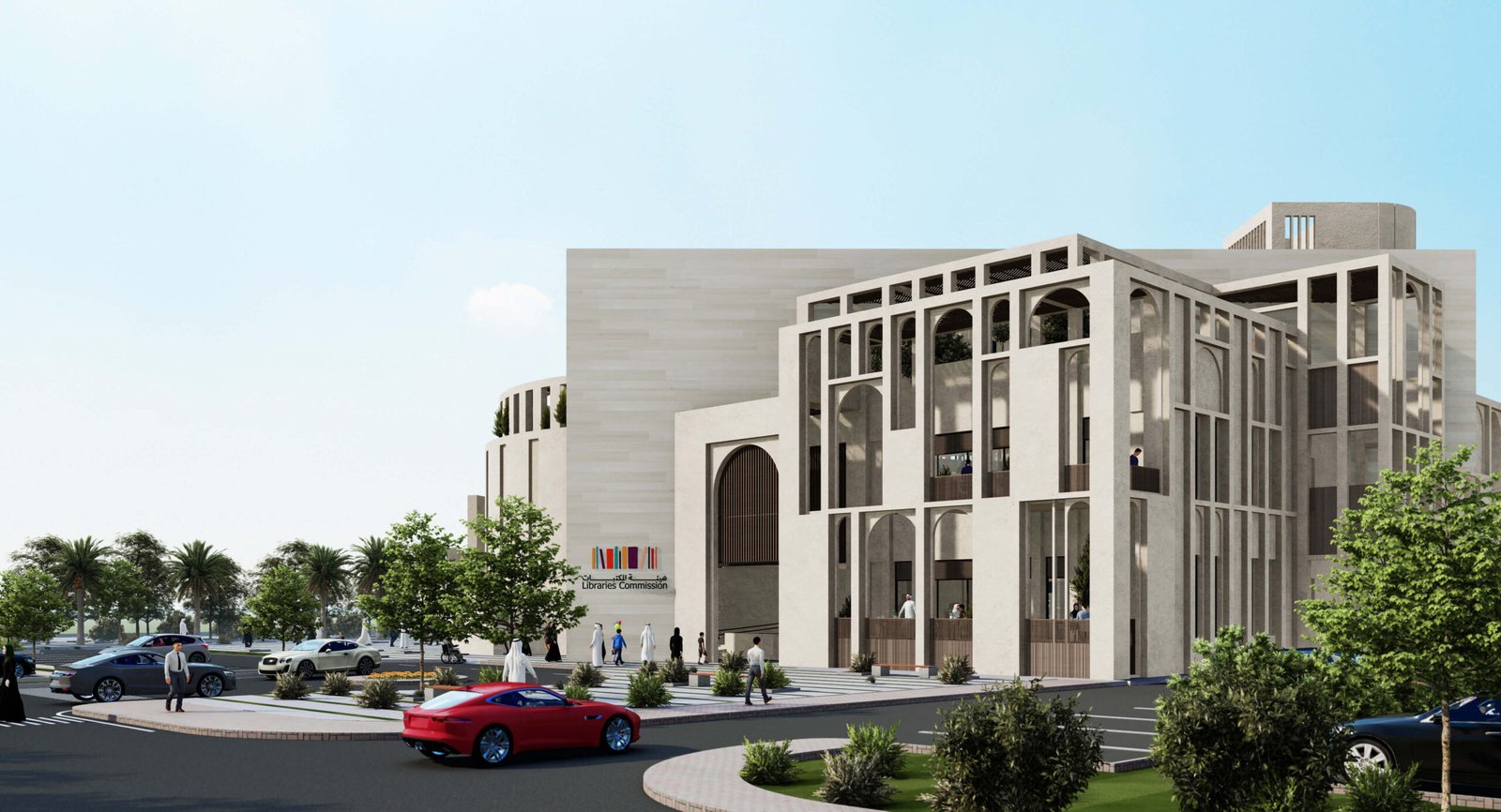
The Challenge: The hardest rehabilitation brief is not the one with a single difficult building. It is the one with three. Under Saudi Vision 2030, the Ministry of Culture's Libraries Commission set out to transform its public libraries from static reading halls into Houses of Culture, active civic destinations for learning, creativity, and community life. The mandate covered three existing facilities, in three cities, each with its own structural history and its own community to serve. The objective was not to design three separate outcomes. It was to deliver one national standard, applied without compromise, three times over. Three cities. Three existing buildings. One Ministry standard, uncompromised in every one of them.
Vision 2030 treats cultural infrastructure as a measure of national quality of life, not a secondary civic amenity. The Ministry of Culture's library rehabilitation initiative sits directly inside that agenda: existing public libraries in Dammam, Ahad Rafidah, and Riyadh's Al Taawun district were selected for transformation into modern Houses of Culture, spaces built to host exhibitions, learning programmes, and community events, not just shelve books.
ecec was appointed to deliver full condition assessment, engineering evaluation, and rehabilitation design across all three facilities: the Dammam Public Library (5,400 m²), the Ahad Rafidah Public Library (3,256 m²), and the King Salman Oasis Public Library in Riyadh (25,000 m²). Each site required its own architectural, structural, and MEP assessment before a single rehabilitation decision could be made and each rehabilitation had to be executed to the same Ministry-defined cultural standard, regardless of the building's age, condition, or scale.
These were not three commissions run in parallel by convenience. They were three existing, occupied public buildings, a 5,400 m² facility, a 3,256 m² facility, and a 25,000 m² facility; each carrying its own structural history, spatial logic, and rehabilitation risk. The complexity was not in any one library. It was in holding a single Ministry standard across all three, without letting the differences in scale or condition produce three different qualities of outcome.