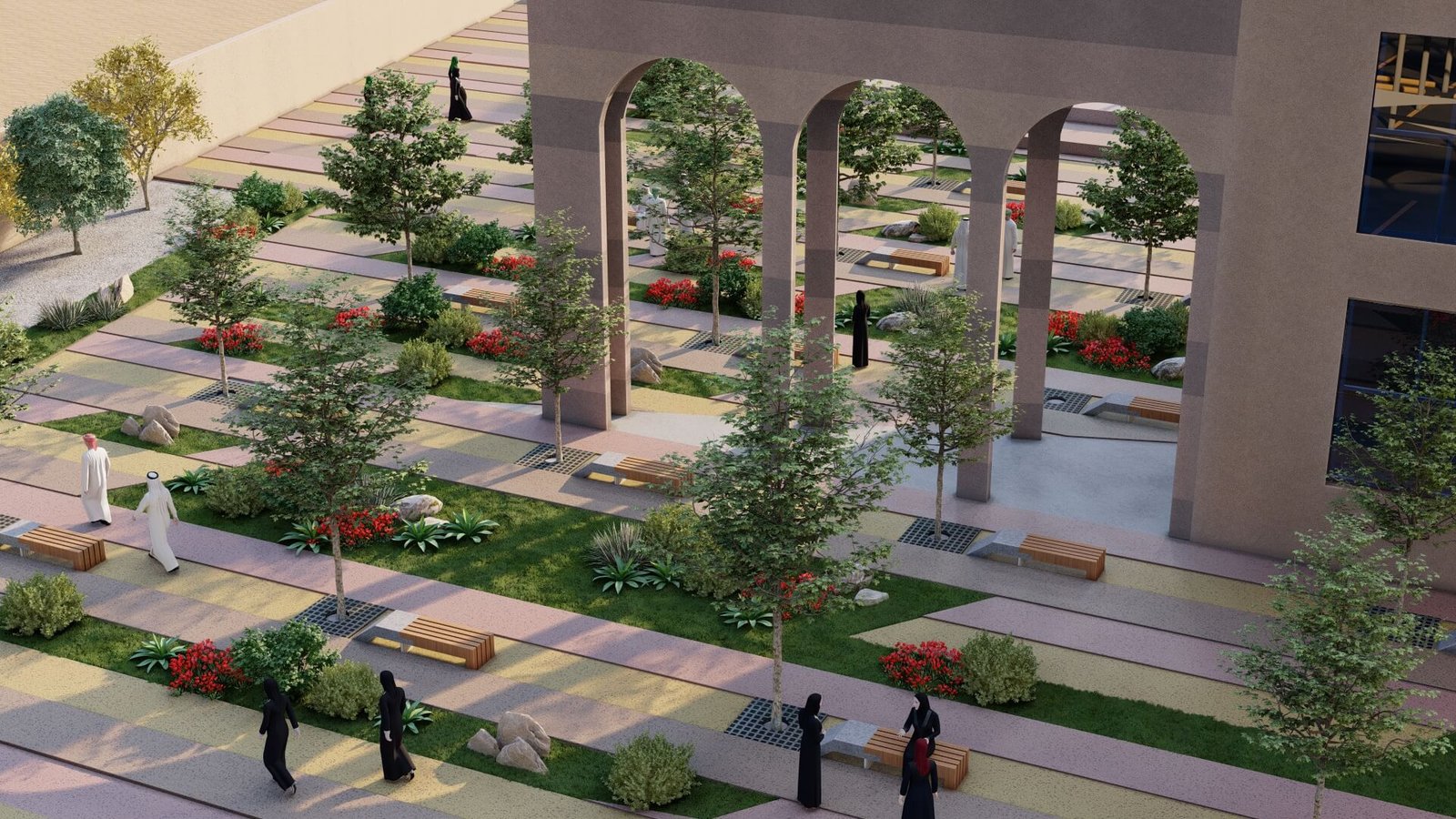
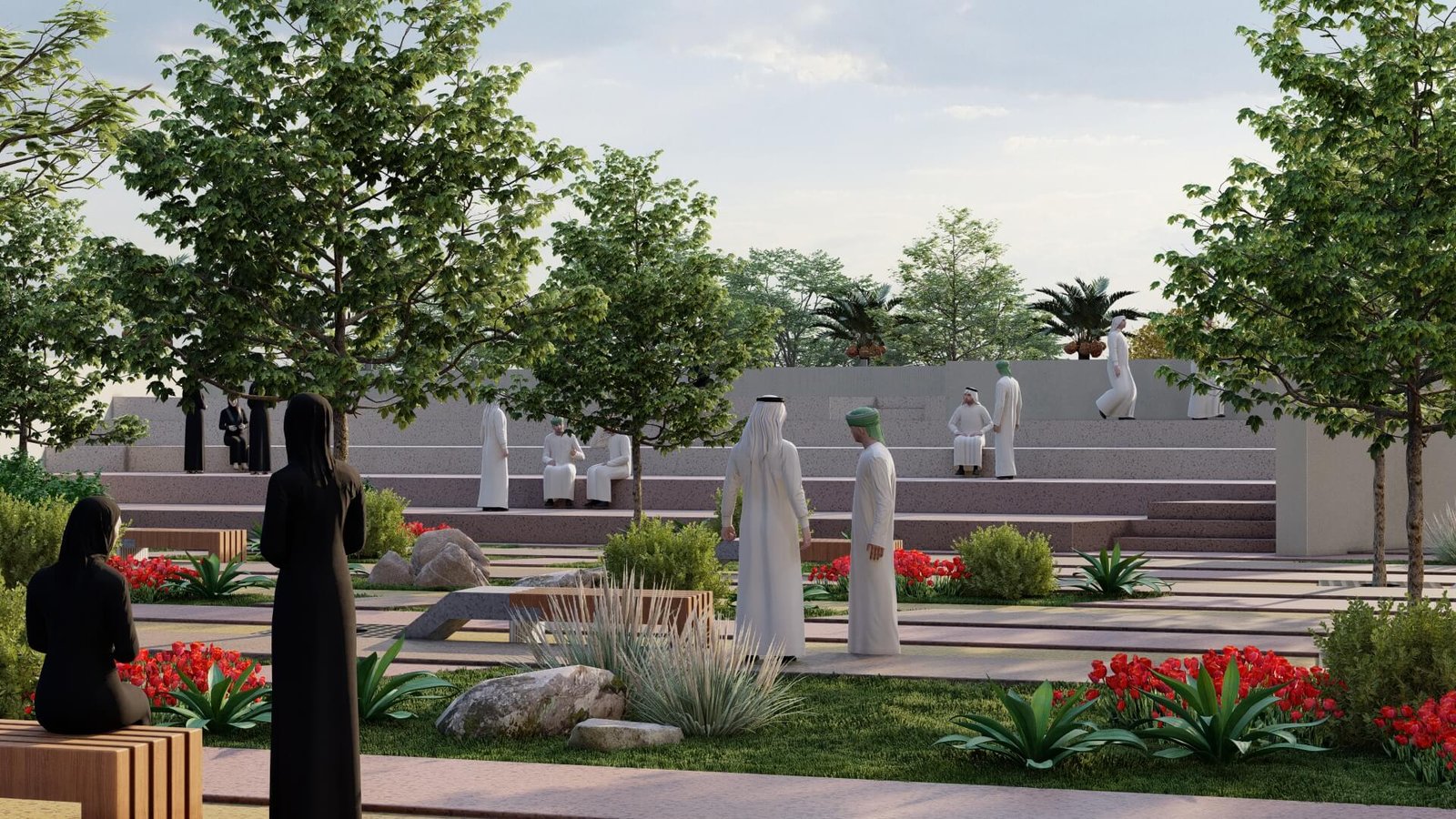
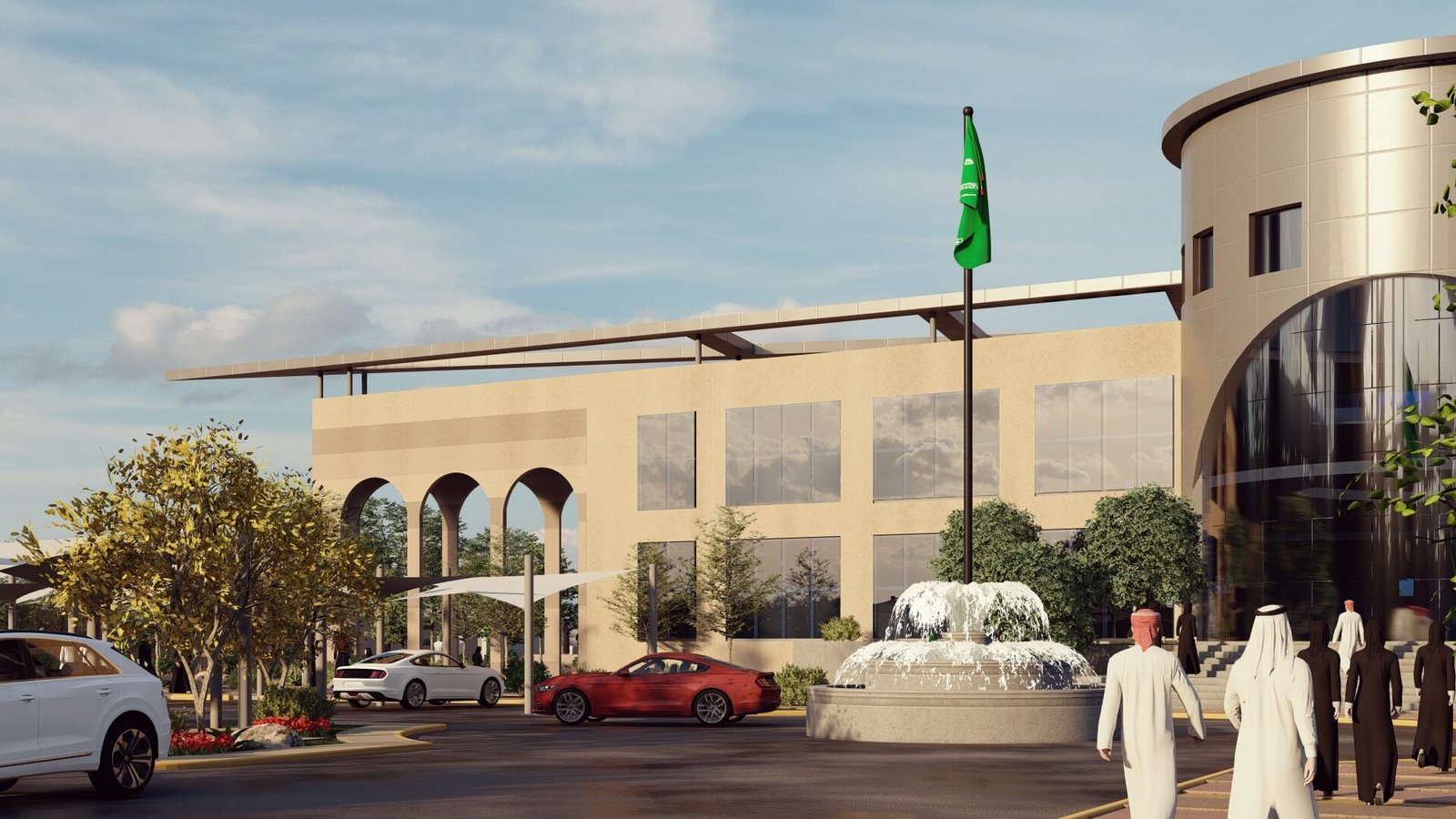
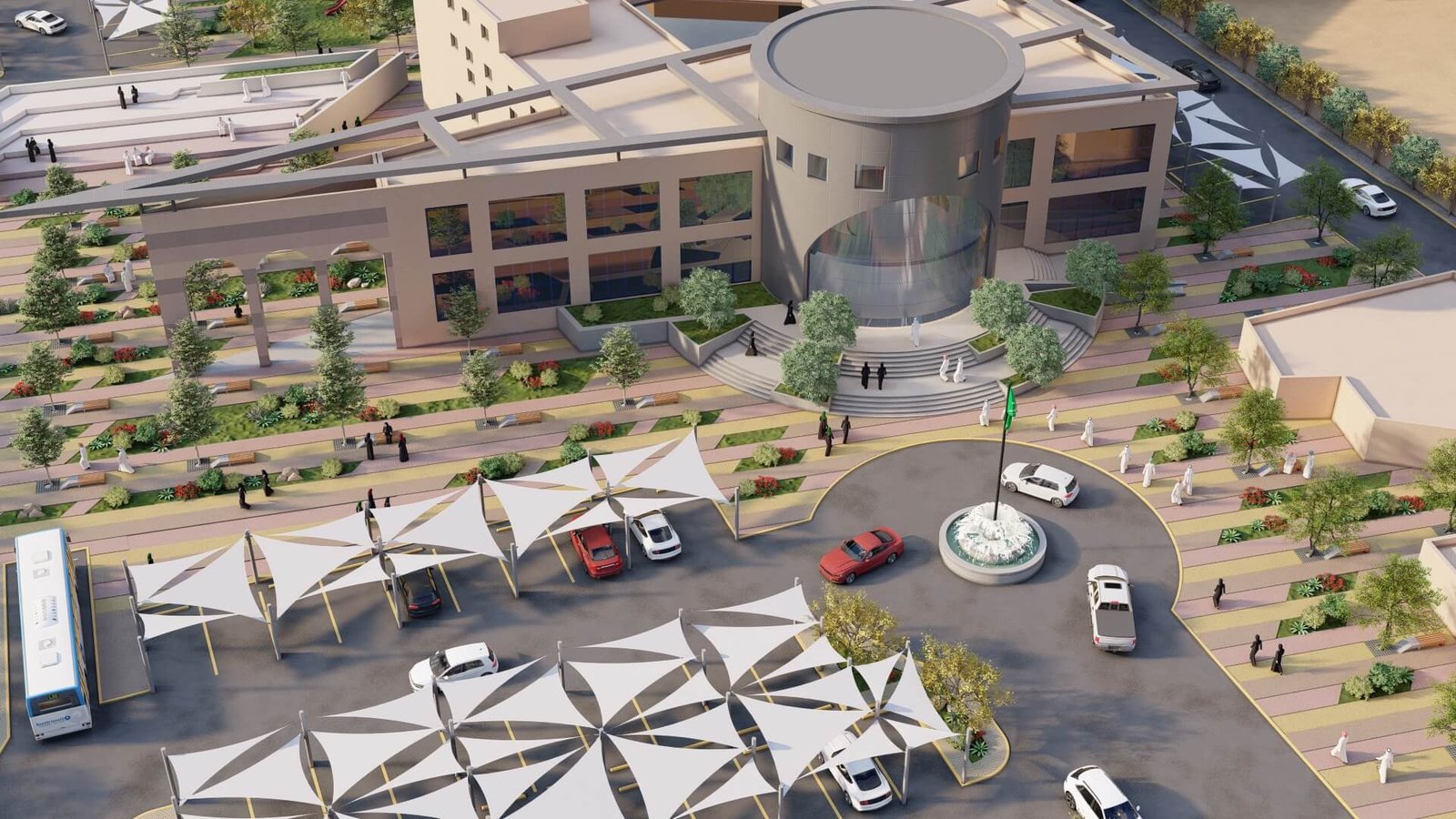
The Challenge: A rehabilitation project is not judged by its most straightforward site. It is judged by whether the standard holds at the site that gives it the most trouble. Under Saudi Vision 2030, the Ministry of Culture set out to revitalize existing cultural centers across five regions of the Kingdom, transforming them into vibrant destinations for learning, creativity, and community life. ecec was appointed to assess, redesign, and supervise the rehabilitation of all five; each an operating public asset, each with its own structural history, each required to meet the same modern cultural standard without exception. Five cities. Five existing buildings. One Ministry standard, held across every one of them.
Saudi Vision 2030 treats cultural infrastructure as a direct measure of national quality of life. The Ministry of Culture's cultural center rehabilitation initiative is one of its most geographically distributed expressions of that agenda: existing centers in Buraydah, Hail, Jazan, Najran, and Sakaka; spanning the Kingdom's central, northern, and southern regions; were selected for transformation into modern community destinations, while remaining public assets throughout the process.
ecec was appointed to deliver full condition assessment, engineering evaluation, and rehabilitation design across five cultural centers: Buraydah (13,860 m²), Hail (15,850 m²), Jazan (16,672 m²), Najran (9,985 m²), and Sakaka (14,039 m²); a combined 70,406 m² of existing public building stock. Each facility required its own detailed site survey and structural, architectural, electrical, and mechanical evaluation before any rehabilitation decision could be made, and every rehabilitation had to be delivered against the same Ministry of Culture standard, regardless of the building's size, condition, or region.
This was a SAR 243.16 million project spread across five existing, operating public buildings in five different regions, with a size range spanning from 9,985 m² to 16,672 m², a variance of more than 65% between the smallest and largest site. The complexity was not any single center's condition. It maintained one uncompromised rehabilitation standard, one methodology,and one construction supervision discipline across five simultaneous commissions with no shared site team and no shared regional context.